
Academic Diplomacy, Cultural Heritage and Regional Cooperation: An Interview with Prof. Dr. Bilal Semih Bozdemir
Discussing academic diplomacy, cultural heritage, international education and regional cooperation across the Caucasus and Black Sea region.
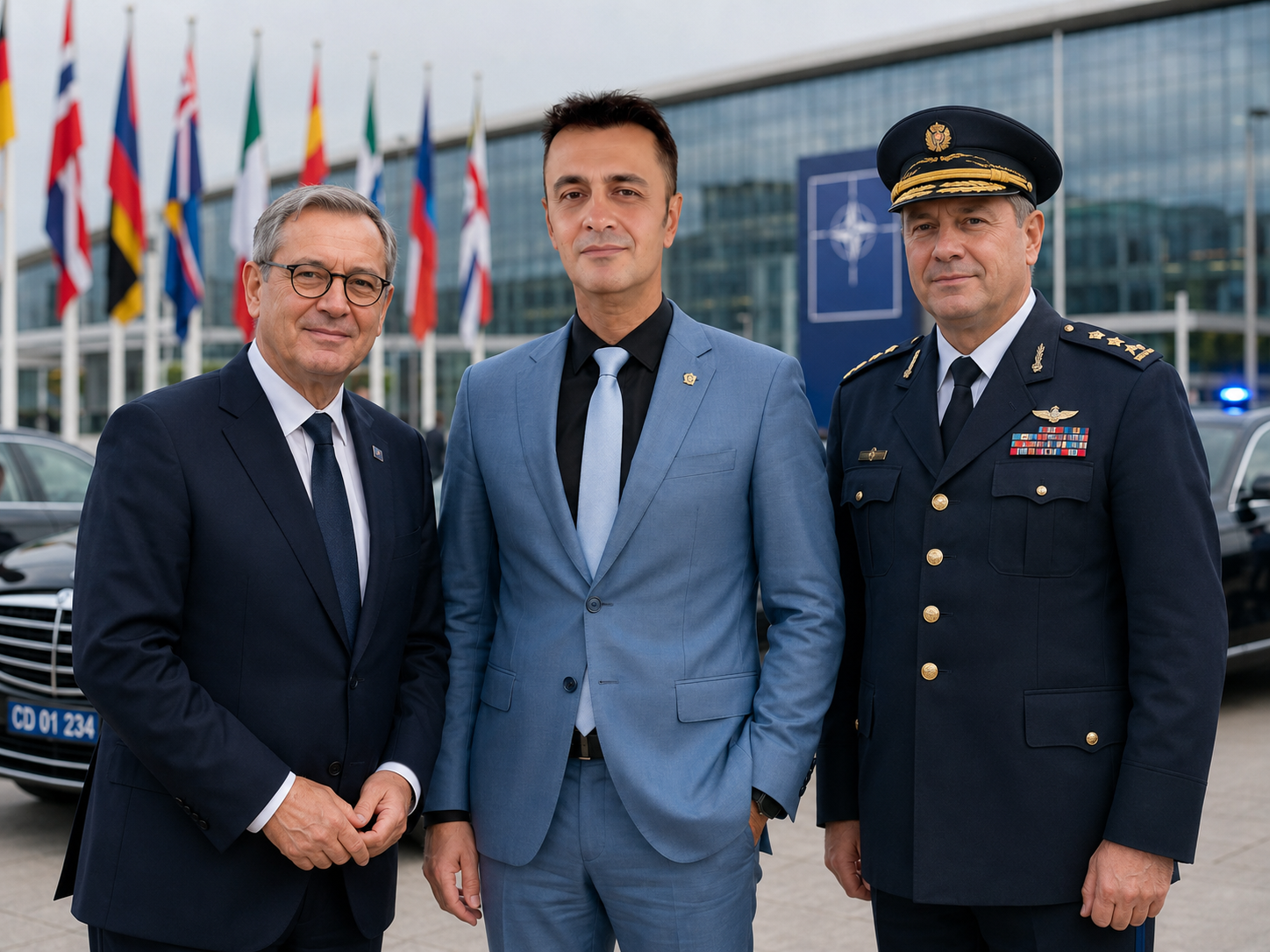
Ambavi24 Interview Series publishes editorial conversations with scholars, diplomats, institutional leaders and public policy figures working across diplomacy, education, cultural heritage and regional cooperation. In this interview, Prof. Dr. Bilal Semih Bozdemir discusses academic diplomacy, cultural heritage, international education networks and the future of cooperation in the Caucasus and Black Sea region.
Ambavi24: Why is academic diplomacy becoming increasingly important?
Prof. Dr. Bilal Semih Bozdemir: Classical diplomacy is conducted through official institutions, but long-term trust between societies is increasingly shaped by education, culture, research and media. Universities and academic platforms can create bridges that last longer than political cycles.
How can universities contribute to trust between states?
Universities bring together students, researchers and institutions. A joint research initiative or an international education platform may later become a foundation for broader diplomatic understanding.
Why is cultural heritage also a diplomatic instrument?
Cultural heritage carries the memory of societies. Museums, archives, exhibitions and heritage projects are powerful soft-power instruments because they create shared memory, respect and dialogue.
Where do you see cooperation potential in the Caucasus and Black Sea region?
The Caucasus and Black Sea region has strong potential in education, culture, logistics, health diplomacy, tourism, academic partnerships and media cooperation. This region should not only be seen through geopolitical rivalry.
What is the role of media in public diplomacy?
Media shapes how societies perceive institutions, regions and states. This power requires responsibility: source notes, verification, public interest, legal caution and a document-based editorial culture.
